
The world in your head deserves to be seen.
Build it, keep it yours. It becomes real when others walk in and find you there.
Viscept — the company behind Nieta, Neta Studio, and Cohub.
We didn’t guess this. We watched it happen.
For two years, Nieta ran in China — never launched globally, on purpose. We watched what people do when AI lets them build worlds.
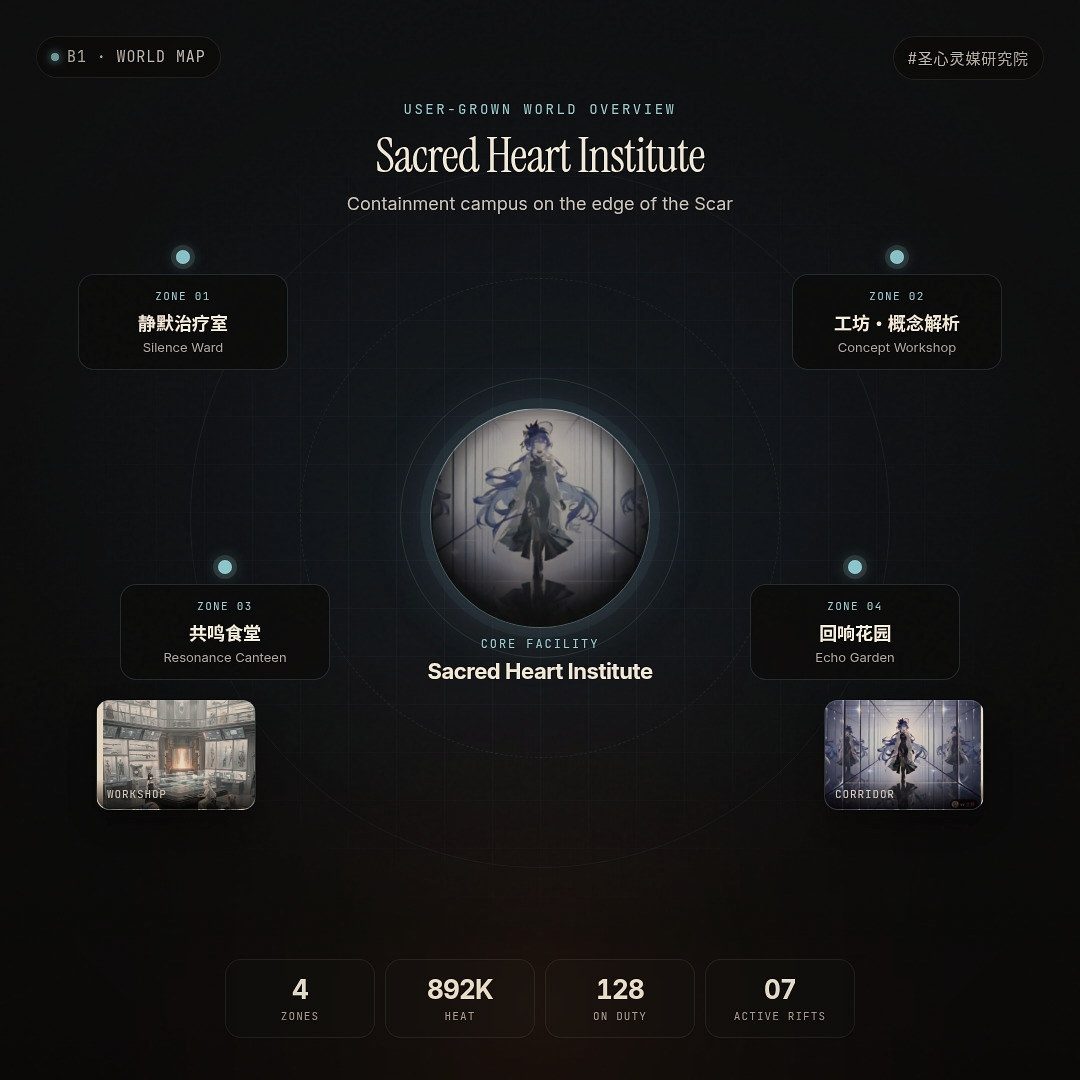
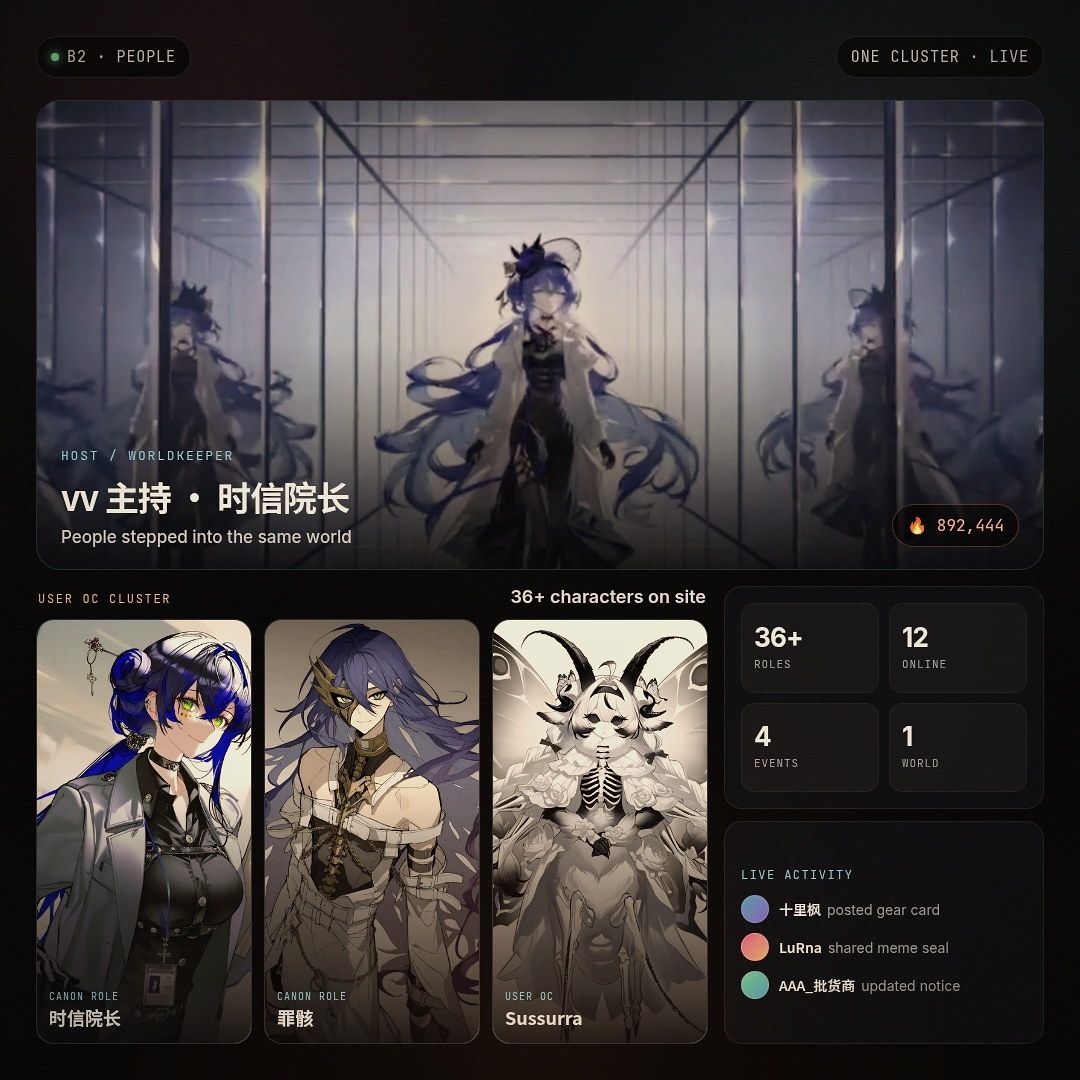
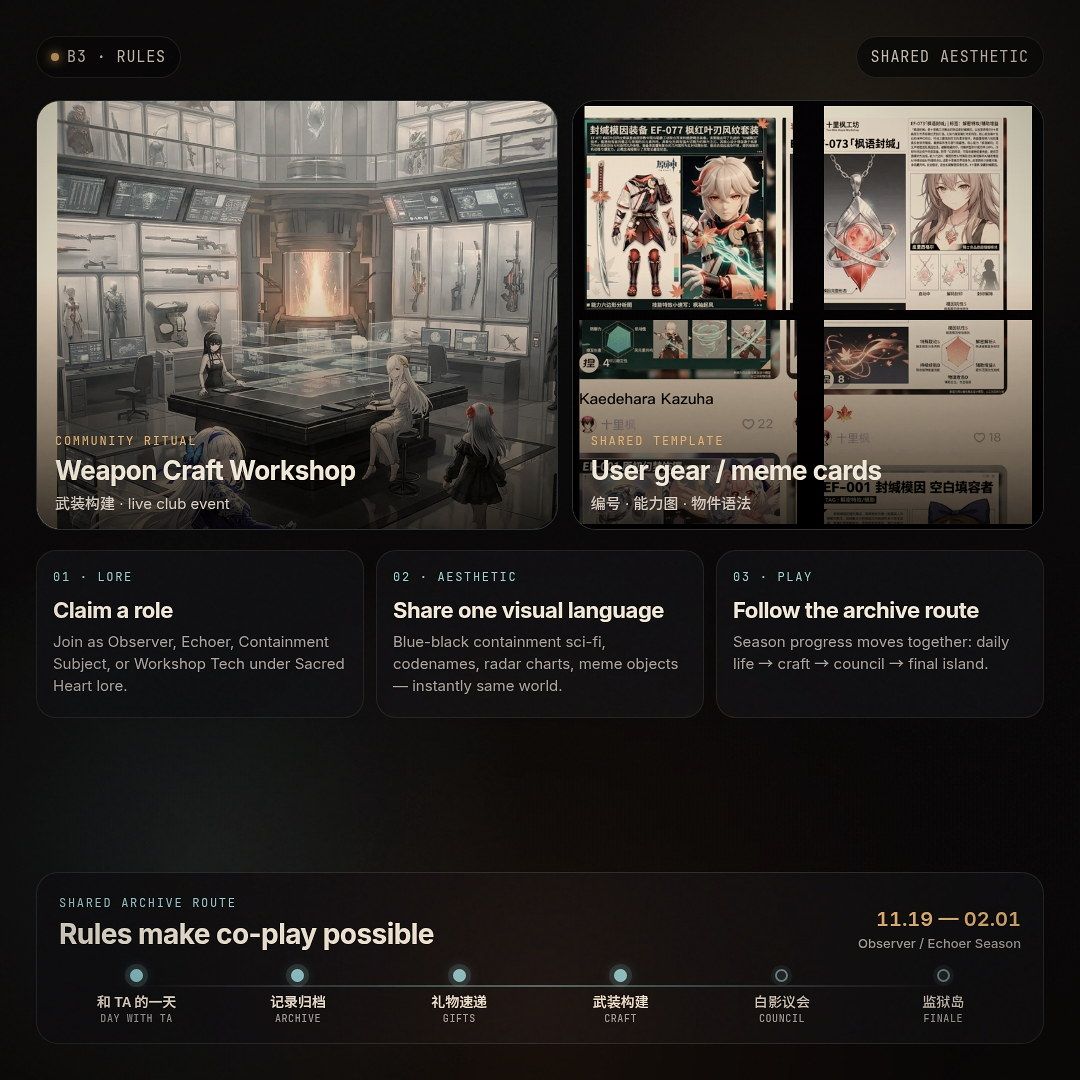
They didn’t generate once and leave. They came back — rules, relationships, whole worlds. One of them, SACRED HEART • LIVE WORLD #圣心灵媒研究院, grew from users: lore, OCs, workshops, co-play. Millions entered. It became real because they did.
A world no one has seen.
Dungeon masters. Ten-year OC writers. Fanfiction world-builders. They already carry full worlds — characters, rules, history. Their depth is in the setting, not production craft: they care about expression, not the industrial content pipeline.
Most tools only store the notes. Almost none turn a setting into a world others can enter. So they meet new skills without expert baggage — and we build with them. What they carry becomes living work; the system only matters because they do.
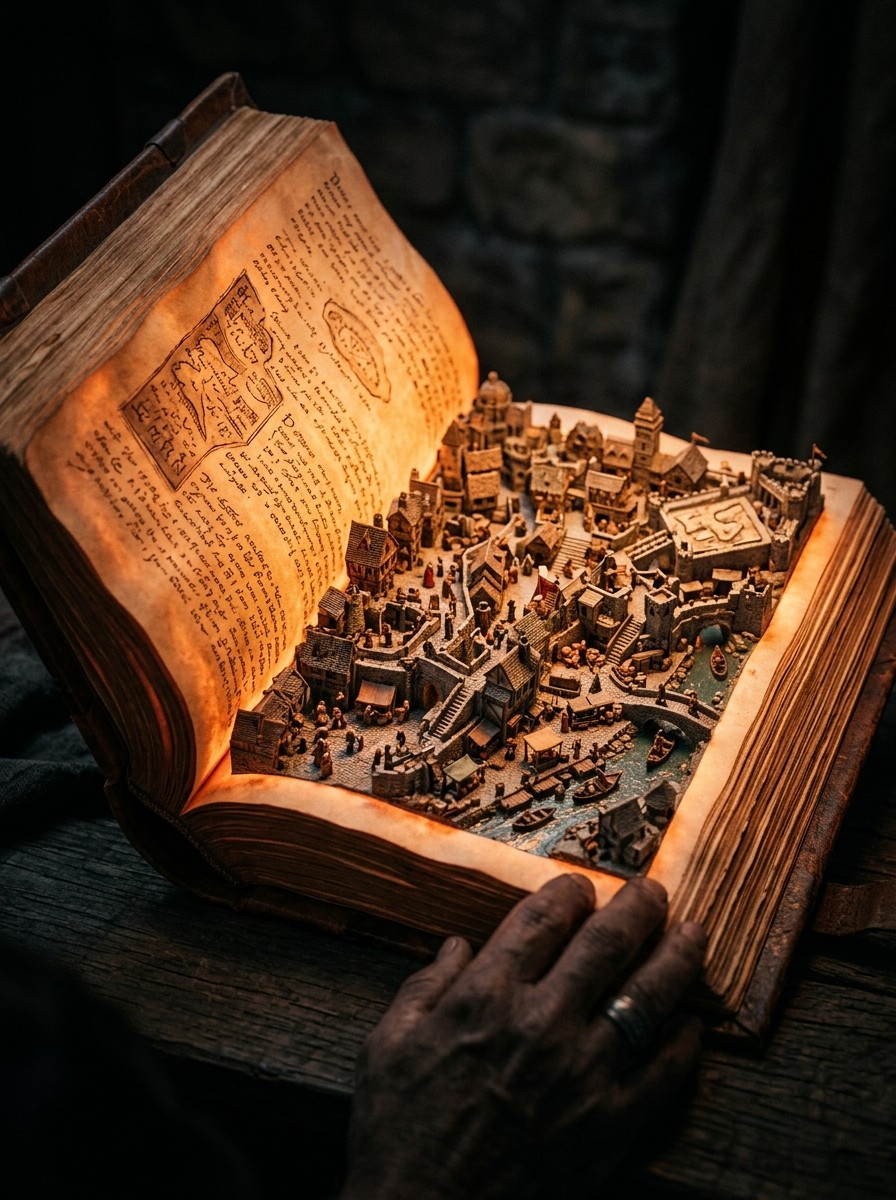
Our first product for the world.
Start from a sentence, a character, a map, a novel. The world grows as you talk. AI drafts the structure; you make the calls that matter.
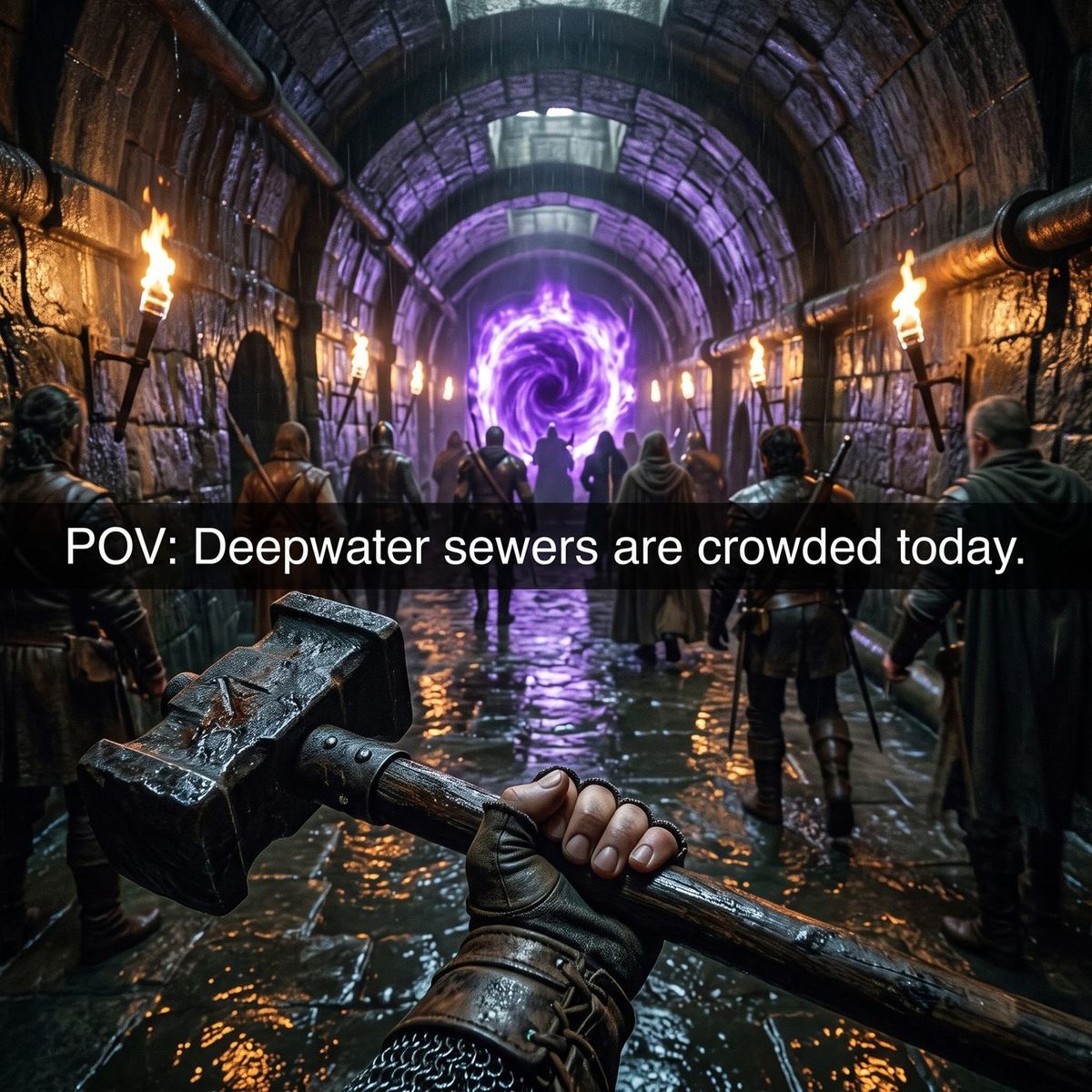
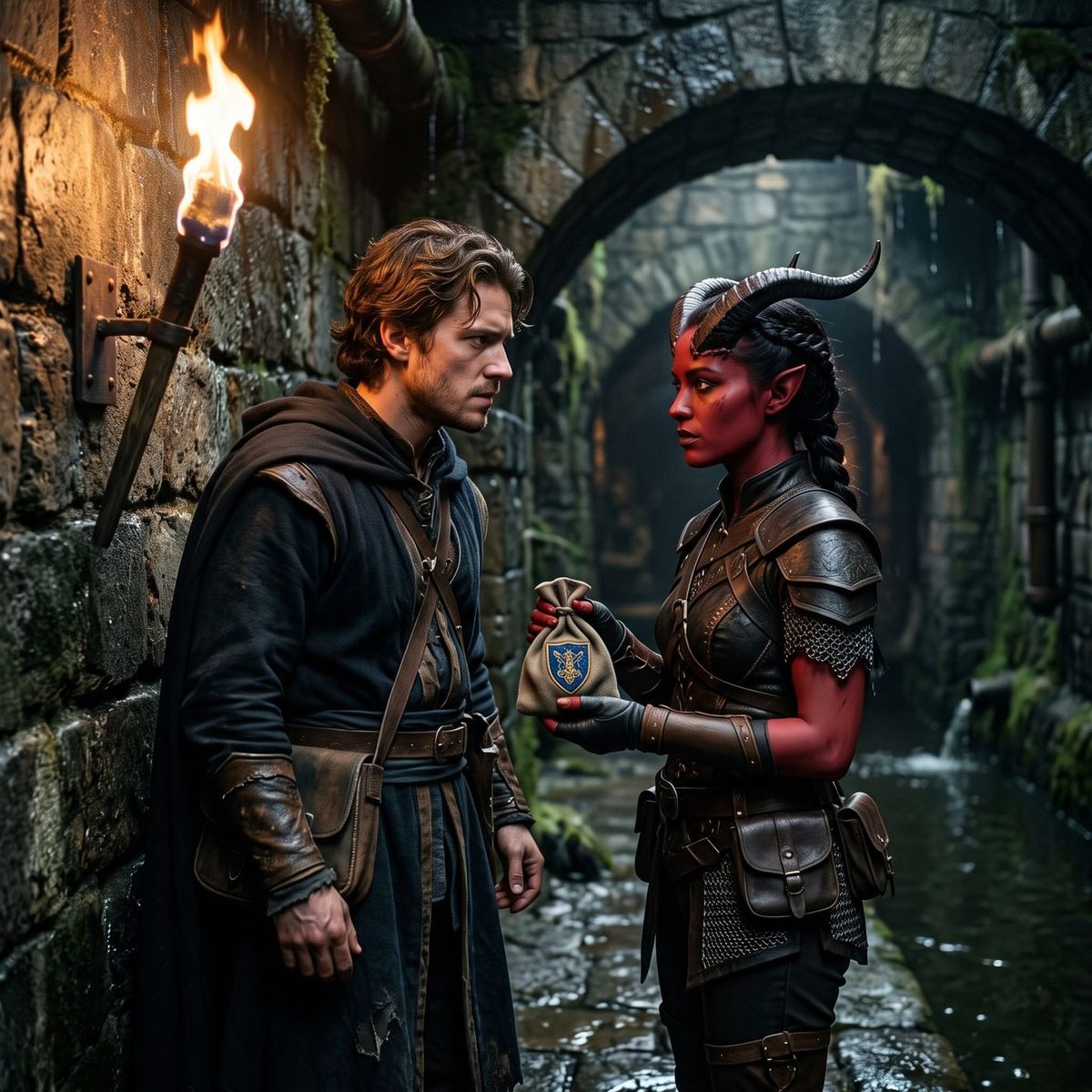
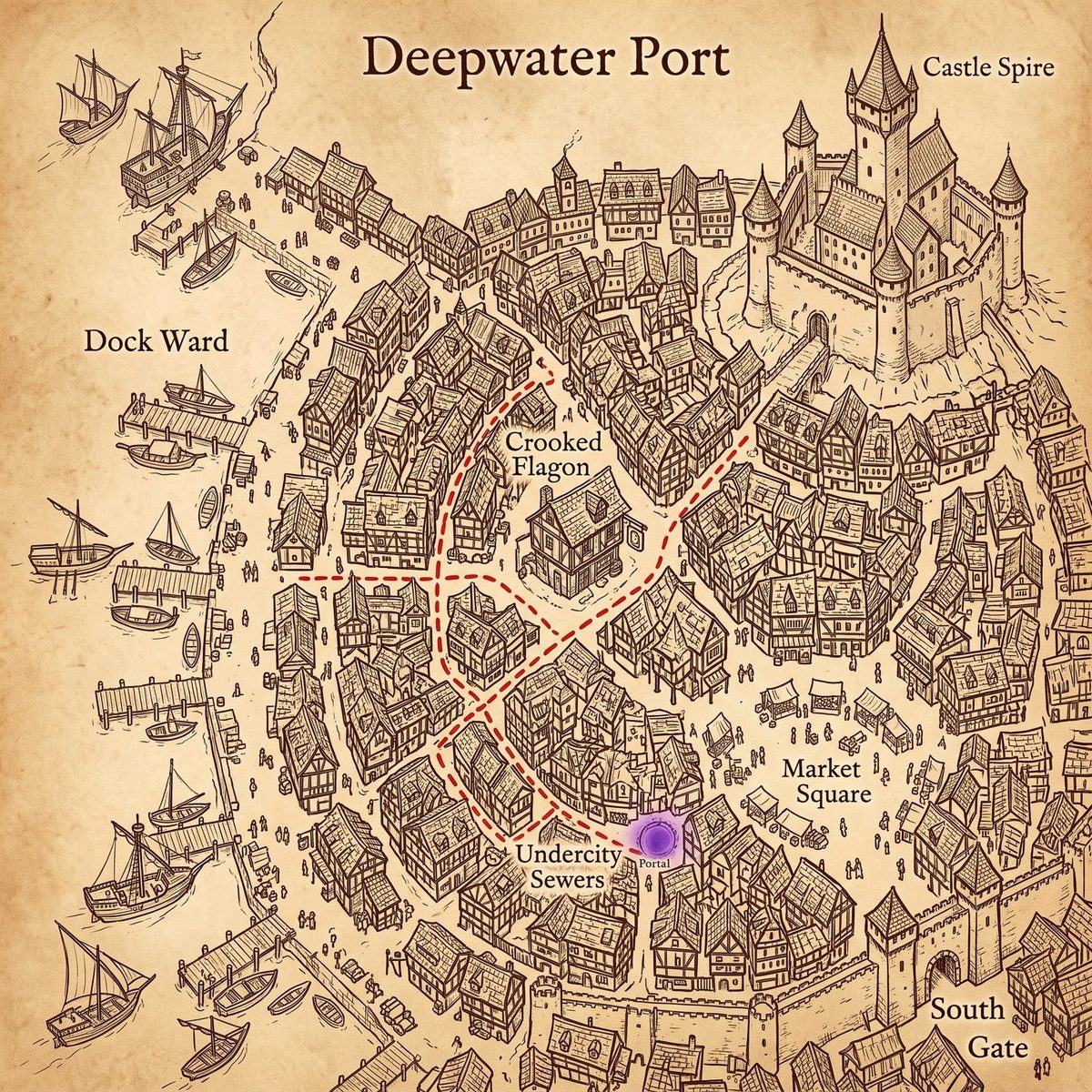
One world becomes many kinds of work — a first-person walk, a conversation you can join, a map you can open — all staying in sync as the world changes. Below: the same table city, Deepwater, remixed three ways.
A person who only consumes leaves no trace of themselves.
AI wins at efficiency. We build for the other thing — GitHub plus Disneyland.
GitHub the trace
What you make can be forked and carried on.
Disneyland the encounter
Others enter the same world, and live what you made.
The world in your head becomes real when others walk in and find you there.
Built for the creator who only has a setting.
Most tools wait for a finished thing. We start earlier — with a setting. The system grows what that person carries into something that lives. The depth is ours; the life is theirs.
Open a layer for the evidence
01Substrate
Cohub Runtime
The world stays live and forkable.
Cohub Runtime
The world stays live and forkable.
A living Space where the world keeps state, forks, and runs over time — checkpoints and Live Works, not a file you export and forget.
02Process
Skills Workflow
A loose setting becomes work you can stand behind.
Skills Workflow
A loose setting becomes work you can stand behind.
Not knowhow dumped on you — a questionnaire, checkpoints, an IKEA manual for each kind of work, so a loose setting becomes something you can finish and own.
03Surface
Lumina Model
It looks the way you saw it in your head.
Lumina Model
It looks the way you saw it in your head.
Hugging Face’s #1 i2v in its day, post-trained on how creators actually want their worlds to look — a pipeline we own, so it renders the way you meant it.
So the creator who only had a setting becomes the most valuable thing in the system — and the living path to the world we’re building.
Hard, open problems.
- 01 How does a world get richer as more people enter — without the author dissolving?
- 02 How do you turn the half-known into a place others can walk into?
- 03 How do you make “they found you there” a system property, not luck?